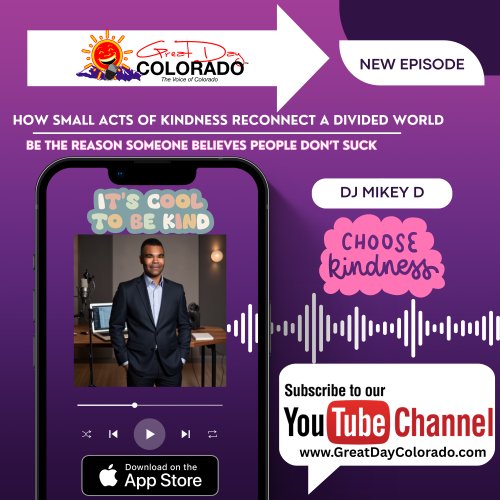
How Small Acts Of Kindness Reconnect A Divided World
A divided world doesn’t fix itself, but it can change when ordinary people choose small, steady acts of kindness. We dive into the power of compassion as a practical tool for rebuilding trust, cutting through polarization, and bringing depth back to our relationships. From the limits of social media to the warmth of face to face care, we share why kindness is contagious, how children mirror what we model, and what it takes to turn good intentions into daily habits that actually stick.

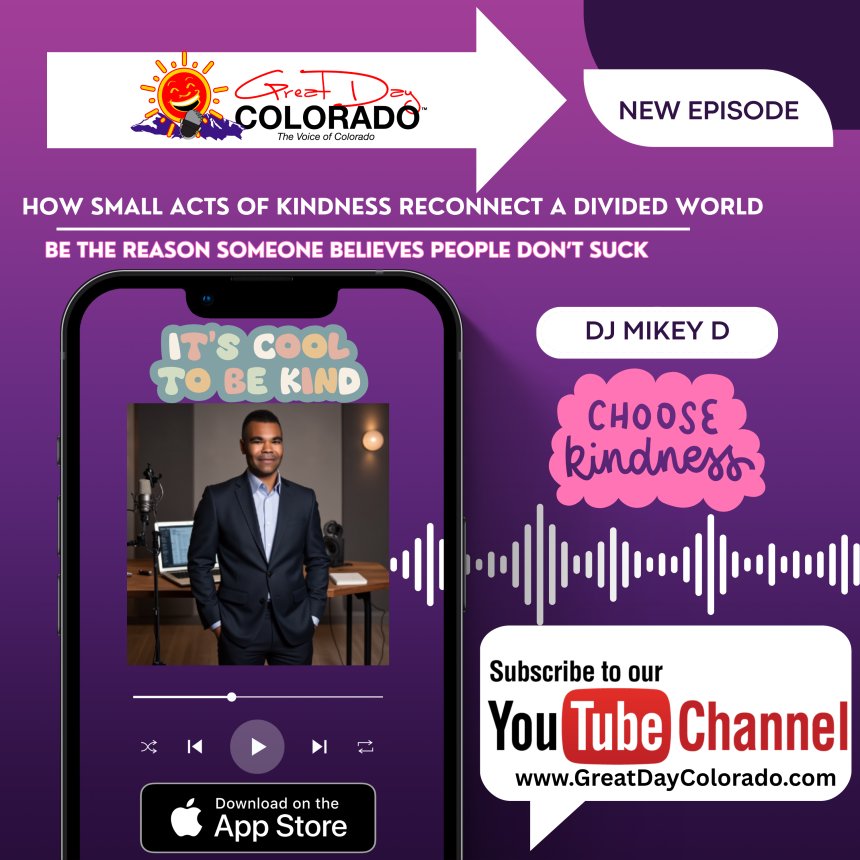
Tired of the divide? Hear how small, daily acts of kindness rebuild connection, at home and in your circles. Simple ideas, real stories, and a challenge you can start today. Will you try one act of kindness before midnight? Your community needs a kindness leader. Learn practical ways to spark a ripple effect at work, with friends, and with kids—no grand gestures required. What’s one small act you’ll do in the next 24 hours? Screens can’t replace real care. We share how compassion spreads, why kids copy what they see, and how to turn tribes into support networks. Ready to make someone’s day brighter—who will you start with?
Our world feels tense, divided, and strangely distant, even as our feeds stay busy and our notifications never stop. The heart of the issue isn’t a lack of voices; it’s a lack of connection that feeds on outrage and starves empathy. Kindness is the counterweight. It turns abstract ideals into lived experience, and it works at any scale: across a dinner table, inside a classroom, or within a team at work. When we frame kindness as a practical tool, not a soft luxury, we start to see how small, deliberate actions repair trust, lower defenses, and create room for real conversation. This is where compassion stops being a slogan and becomes social glue.
Technology complicates the story. Digital platforms give us reach, but they don’t guarantee depth. We scroll through highlight reels and arguments, mistaking frequency for closeness, while body language, tone, and context get lost. That gap leaves us lonelier, more reactive, and less likely to grant each other grace. Yet the fix isn’t to reject tech. It’s to re-center human habits that tech can’t replace: eye contact, active listening, and small favors that cost little but signal care. A message sent is useful; a hand offered is remembered. Treat your digital life as the invitation and your real-world presence as the RSVP.
Kindness spreads because humans mirror. Social science shows that prosocial behavior is contagious: witnessing a generous act nudges us toward our own. Children magnify this effect. They absorb what we model, often more than what we preach. A simple moment—helping a neighbor with groceries, thanking a cashier by name, yielding in traffic—plants a script in a young mind: this is how people treat each other. Narrating the why matters too. When we tell kids that we help because others matter and it feels good to contribute, we connect action to meaning. Values stick when they’re lived and explained.
Starting small keeps momentum high. Micro-acts work because they’re specific, quick, and repeatable. Hold the door, give an honest compliment, send a check-in text, invite the quiet person into the conversation. These moves cost seconds but reframe the day for both people. As you practice, you’ll see more chances to help—the availability of kindness rises with attention. That’s when leadership begins. You’re no longer just doing the act; you’re pointing out opportunities so others can join. You turn passive goodwill into an active norm people follow.
Communities amplify kindness. Think beyond geography to the groups that shape your week: coworkers, family, gym friends, book clubs, faith circles. Every tribe has a culture, and culture is simply repeated behavior plus shared stories. Become the person who shows up, checks in, and keeps promises. Organize light lifts with high payoff: a meal train for a colleague, a volunteer afternoon, a small fundraiser, a rotating “who needs help?” thread. These rituals weave people together. They build trust and shared memory, the raw materials of belonging, which is the antidote to division.
Kindness is not passivity. It’s a steady posture that holds boundaries without cruelty and tells the truth without contempt. In polarized spaces, this approach cools the room enough for nuance to breathe. You won’t solve every conflict, but you can shift the tone, and tone shapes outcomes. Aim for consistent generosity rather than grand gestures. When people feel seen, they soften; when they soften, they listen; when they listen, they learn. That sequence doesn’t trend, but it transforms.
So make it practical. Choose one genuine act today, then another tomorrow. Track them if it helps. Invite a friend or your child to spot opportunities with you. Celebrate small wins and share stories that highlight the impact, not your virtue. Over time, those threads form a fabric that resists tearing. We may not heal the whole world with kindness, but we can brighten our corner—and that light travels farther than we think.
Earn Money on Gas and Food
Get Paid for your everyday shopping. Need Gas? Get Paid Need Snacks? Get Paid
From Conflict to Connection
The power of understanding and empathy with "From Conflict to Connection," the transformative guide
The Best Financial Hack Ever!
Discover The Fundamental Principles Of Living Trusts And How To Choose What’s Best For You.
REAL Visitors & SEO Optimization...
Submit Your Website To Over 5,000 Sites Absolutely - FREE!
Battery Buddy Storage
Battery Buddy Storage The Perfect Holiday Gift!
Free eBook on How To Make Money Online
Your Roadmap to Online Income. A step-by-step guide to building your online business using proven tr
Disclaimer: This post contains affiliate links. If you make a purchase, I may receive a commission at no extra cost to you.
Share
What's Your Reaction?
 Like
0
Like
0
 Dislike
0
Dislike
0
 Love
0
Love
0
 Funny
0
Funny
0
 Angry
0
Angry
0
 Sad
0
Sad
0
 Wow
0
Wow
0