Inside The Pig Butchering Scam
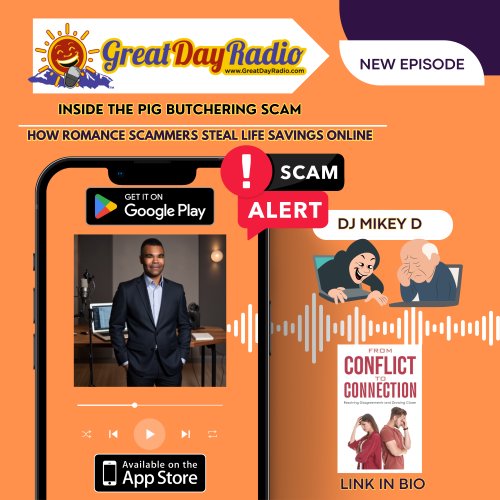
A widow lost nearly $1M to a fake romance and a fake trading app. We map the playbook scammers use and how AI helped expose it. Learn the red flags and the moves to make fast. Will you talk to a loved one about this today?

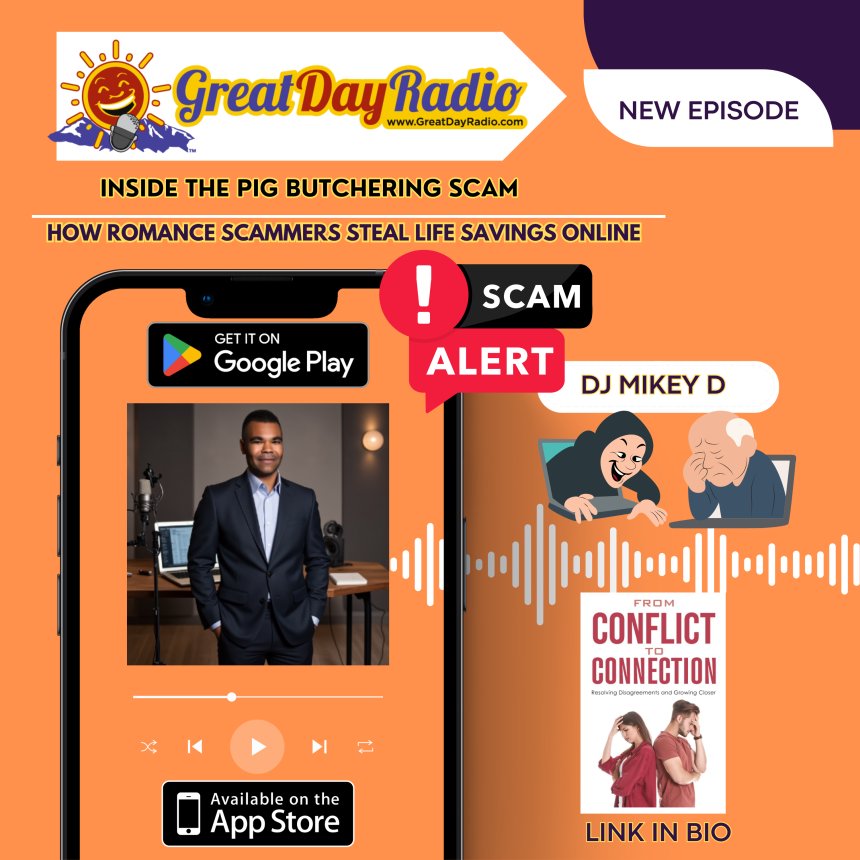
They text like a soulmate, then pitch “guaranteed” crypto returns. Sound familiar? We break down the pig butchering scam, the red flags, and the steps to fight back. Listen now and share with someone who might be at risk—what warning sign did we miss?
We lay out how pig butchering scams weaponize affection and fake profits to drain life savings, and we show how to spot the playbook before it closes on you. A real case illustrates the emotional and financial toll, the tech behind the fraud, and the steps to take if targeted.
Online romance meets high-pressure investing in a brutal scheme with a fittingly harsh name: pig butchering. The con artists start with attention and affection, not money. They show up in your messages as polished, patient, and interested in your life. Over days and weeks, they build intimacy and nudge you off public platforms to private chats where scrutiny is low and records are scattered. Once trust feels real, they reveal a “secret” crypto or forex platform, showcase fabricated dashboards, and encourage small test deposits that appear to multiply. That fake profit is the bait for larger transfers, often wired overseas or sent in crypto, where recovery is nearly impossible and shame silences victims.
What makes this scheme so effective is not just the technology but the psychology. Scammers script empathy and mirror back what you long to hear: that you are seen, valued, and safe. They combine flattery with authority—screenshots of “profits,” jargon about markets, and claims of insider access. The victim’s brain gets tugged between attachment and opportunity, two powerful motivators that cloud judgment. When the numbers look good, confirmation bias kicks in. When doubts arise, sunk-cost fallacy keeps people investing more to “unlock” what they already believe is theirs. The result is a trap where emotion powers the fraud and fabricated data sustains it.
Consider the case of an elderly widow who met a warm, attentive stranger on Facebook. Months of daily chats moved to WhatsApp, where the bond deepened and vigilance faded. He introduced a crypto platform, and the balance on her screen soared to millions. Each “win” motivated larger wires, including a second mortgage. When she tried to withdraw, the system demanded a massive tax payment to release funds, a classic stall designed to extract more. The mask slipped, threats followed, and the money disappeared into opaque transfers. The twist: she asked a generative AI for help, and the AI named the pattern—pig butchering—bringing clarity when fear and hope had blurred the obvious.
Technology fuels both sides of this modern con. Scammers use stolen photos, cloned websites, and slick front ends that mimic legitimate brokerages. They can spin up convincing dashboards, spoof transactions, and route money across borders within minutes. On the other side, digital tools can help you verify claims—reverse image search to spot stolen profiles, domain checks to see when a site was created, and AI assistants to cross-reference common scam patterns. Still, tools only help if you slow down. Skepticism is your best firewall. Ask why someone you just met wants to move you off-platform, why they push crypto, and why returns are “guaranteed” when real markets never guarantee anything.
There are clear red flags that cut through the fog. Rapid intimacy is the first. If someone you barely know is planning a future, showering praise, or checking in constantly, that intensity is a tactic. The second is a push to leave dating apps or social platforms for WhatsApp or Telegram, where moderation and reporting are weaker. The third is any promise of exceptional returns with minimal risk, especially in crypto or forex. The fourth is payment via wire, gift cards, or cryptocurrency—methods chosen because they are fast, final, and hard to reverse. Treat each of these as a stop sign, not a yield sign.
If you suspect you’re being targeted, act fast and keep it simple. Cut off contact immediately; starve the scam of attention. Save everything: screenshots, handles, URLs, transaction IDs, and any bank or exchange receipts. Contact your bank or card issuer at once; some transfers can be halted if you move quickly. Then report to the FBI’s Internet Crime Complaint Center (IC3) and your local police, linking your evidence clearly. Do not let shame stop you. These scams are engineered to manipulate smart, capable people. Bringing your story forward helps authorities see patterns and may save someone else from harm.
Prevention is a habit you can build. Vet new contacts with a reverse image search of their photos. Ask trusted friends to sanity-check fast-moving online romances or investment pitches. Refuse to send money or crypto to anyone you have never met in person and cannot independently verify. Keep conversations open with older adults in your life; make it easy for them to share concerns without fear of judgment. A simple rule helps: if money enters the chat, skepticism doubles. Real relationships do not hinge on deposits, and real investments do not need secrecy, urgency, or romance to sell themselves.
Be sure to sign up for our newsletter doings so you will get the latest scam alerts, podcast releases that matter to you, contest announcements, free giveaways, and much more. Visit GreatDayRadioBootcamp.com to sign up.
Thank you for being a fan, and please share the love to someone who needs to hear this message.
Join Our Newsletter Today
Get special alerts on the latest scams, get podcast announcements, and free giveaways in your email!
Budgeting Workbook &Budget Spreadsheet
Get The Ultimate Budgeting Workbook and Monthly Budget Spreadsheet and Get Financially Organized.
From Conflict to Connection
Unlock the power of understanding and empathy with "From Conflict to Connection," the transformative
Disclaimer: This post contains affiliate links. If you make a purchase, I may receive a commission at no extra cost to you.
Great Day Radio Sources:
Share
What's Your Reaction?
 Like
0
Like
0
 Dislike
0
Dislike
0
 Love
0
Love
0
 Funny
0
Funny
0
 Angry
0
Angry
0
 Sad
0
Sad
0
 Wow
0
Wow
0