
Choosing Impact When Life Feels Heavy
When life tilts toward the darker edge of the calendar and motivation feels out of reach, clarity can be a lifeline. We open up about the real shape of clinical depression—how it differs from a bad day—and why naming it accurately unlocks better care, safer choices, and a path back to purpose. Mikey shares candid stories from combat deployments, a recent divorce, and the pull toward isolation, and we unpack how trauma experiences echo through the body and mind long after the moment passes.

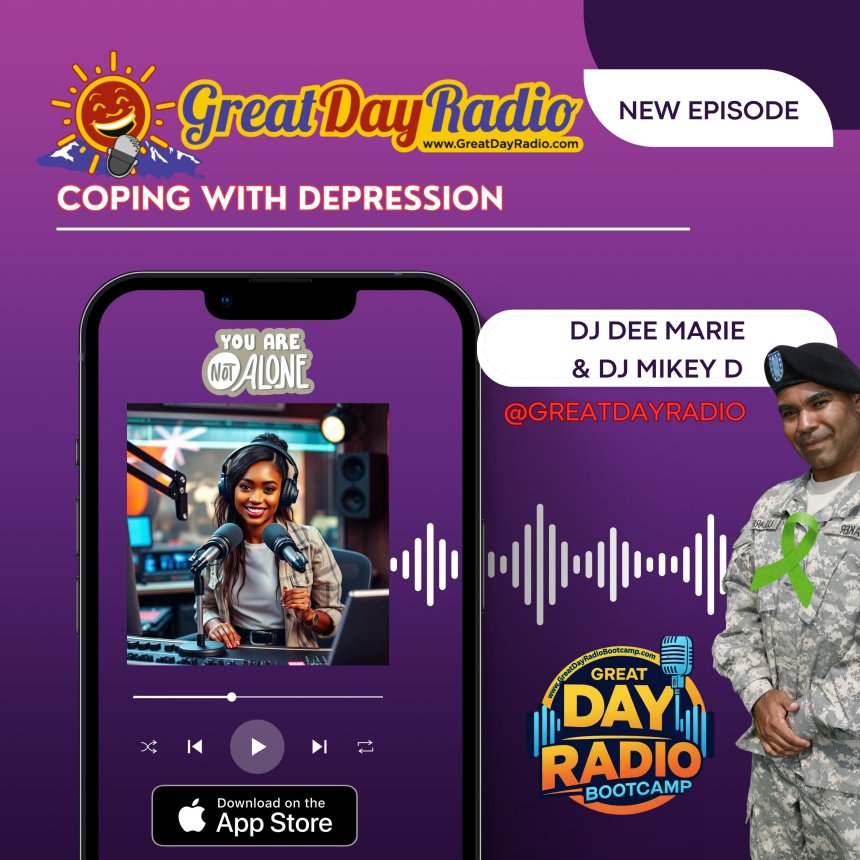
Ever felt “off” and couldn’t name why? We break down clinical depression, isolation triggers, and small steps that actually help. Real talk from a combat vet and a mental health advocate. Listen now and share your go‑to coping habit—what works for you? Big myth busted: a bad day isn’t clinical depression. We get practical about routines, behavioral activation, and finding support without stigma. Press play, then tag someone who inspires your resilience—who should hear this? Feeling alone vs feeling lonely changes everything. We explore trauma, seasonal dips, and how to make an intentional impact even when it’s hard. Tune in and tell us: what small action lifts your mood when motivation is low?
Depression is not a mood swing or a rough afternoon. It is a persistent condition that alters sleep, appetite, energy, and focus, and it can turn everyday choices into steep hills. Many people say they feel depressed when they mean disappointed or stressed, but clinical depression is defined by duration, severity, and functional impact. That distinction matters because it shapes how we respond. When symptoms stick around and interfere with work, relationships, and self‑care, professional help becomes the first line of support, not the last resort. Social workers, therapists, and psychiatrists can assess risk, build a plan, and coordinate care that includes therapy, medication, or both, tailored to the person’s history, needs, and goals.
At the same time, small daily practices can create meaningful momentum. Establishing stable routines for sleep, meals, and movement reduces decision fatigue and steadies the nervous system. A short walk in daylight helps regulate circadian rhythms and mood, especially as days grow shorter and seasonal dips increase. Behavioral activation flips the usual script: instead of waiting to feel motivated, you act first with simple, rewarding tasks like making the bed, texting a friend, or prepping a healthy snack. Each completed action offers a cue of mastery that nudges motivation forward. Mindfulness, breathwork, and brief grounding exercises further help by slowing reactivity and widening the gap between a painful thought and a protective choice.
Isolation is one of depression’s loudest siren songs. Withdrawing can feel like relief, especially for those who learned to cope through shutdown after trauma or high‑stress environments. The catch is that isolation deepens hopelessness. Intentional connection counters that slide: a standing check‑in call, a peer support group, or a message to someone safe. You do not need a crowd; you need consistency. Distinguish solitude from loneliness. Solitude restores; loneliness corrodes. The goal is balanced contact that respects your need for quiet without severing lifelines to empathy, accountability, and perspective.
Trauma complicates the picture, but it does not erase the path forward. Trauma shapes how the body stores threat and how the mind anticipates harm. Depression can follow when the nervous system stays stuck in shutdown or exhaustion. Trauma‑informed care centers safety, trust, choice, collaboration, and empowerment. That might look like pacing therapy, naming triggers, and building skills before excavation. It also includes reducing substance use that blunts pain in the moment but worsens sleep, mood, and cognition later. Physical exercise remains a powerful, accessible tool; it lowers inflammation, boosts neurochemistry, and can reconnect you to purpose when words feel heavy.
Productivity deserves a reframe. The goal is not grind culture but meaningful action that conveys purpose and agency. Cooking a meal, helping a neighbor, or submitting a school assignment can lift mood because it aligns effort with values. When life feels off, treat that sensation as data, not a verdict. Conduct a simple audit: sleep, movement, nutrition, connection, purpose. Adjust one variable at a time and track the result. Change is constant, and learning to ride it is a skill you can practice. Even on hard days, your presence influences others. A kind text, a patient pause, a boundary set—these choices ripple. If you or someone you love faces suicidal thoughts, seek immediate help and create a safety plan with warning signs, coping strategies, and crisis contacts. Depression is treatable. Support works. You matter more than you know.
Buzzsprout - Let's get your podcast launched!
Start for FREE
Best e-commerce platform ever!
You can literally build a fully functioning store in less than 5 minutes.
Disclaimer: This post contains affiliate links. If you make a purchase, I may receive a commission at no extra cost to you.
Great Day Radio Sources:
Share
What's Your Reaction?
 Like
0
Like
0
 Dislike
0
Dislike
0
 Love
0
Love
0
 Funny
0
Funny
0
 Angry
0
Angry
0
 Sad
0
Sad
0
 Wow
0
Wow
0